What prosthetic treatment solves
Prosthetic treatment helps with severely damaged teeth, missing teeth, wear, bite problems, or the need for more stable chewing. It restores not only the visible smile, but also balance between the teeth.
 DentaFaceDental clinic in BlagoevgradBook an appointment
Crowns, bridges, and full rehabilitation
Prosthetic dentistry restores damaged or missing teeth with crowns, bridges, veneers, removable dentures, and implant-supported restorations. The goal is a stable bite, comfortable chewing, clear speech, and a natural appearance.
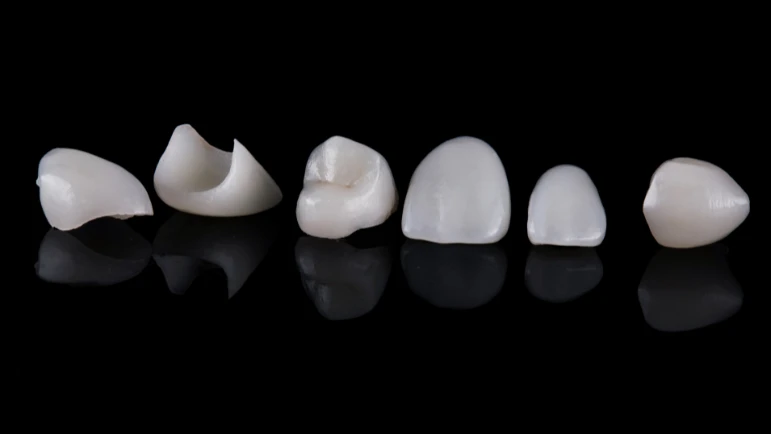
Prosthetic treatment helps with severely damaged teeth, missing teeth, wear, bite problems, or the need for more stable chewing. It restores not only the visible smile, but also balance between the teeth.
Good prosthetics are not just a new crown. They must restore chewing, tooth contacts, speech, and protection of the remaining teeth from overload or further wear.
Depending on the case, treatment may include fixed restorations such as crowns, bridges, and veneers, removable partial or full dentures, or implant-supported prosthetics for greater stability.
We plan shape, height, contact, and aesthetics so that the restoration feels comfortable and stable. Modern technologies and precise laboratory work help the result feel natural in everyday life.
Frequently asked questions
A crown is usually recommended when the tooth is severely damaged, after root canal treatment, or when a filling can no longer provide enough stability.
A crown restores one tooth. A bridge replaces one or more missing teeth and is supported by neighboring teeth or implants.
They are considered when several teeth are missing and the patient wants a more stable option than a conventional removable denture.
Yes. With proper planning, prosthetic treatment can restore height, contacts, and bite balance, reducing overload on individual teeth.
Consultation
The best treatment starts with diagnosis and conversation. You will receive a clear explanation of options, limitations, timing, and next steps.