What a dental implant does
An implant replaces the root of a missing tooth and integrates with the jawbone. Once stable, it becomes a strong base for the final restoration without relying only on neighboring teeth.
 DentaFaceDental clinic in BlagoevgradBook an appointment
Restoring missing teeth
Dental implants restore missing teeth with a biocompatible titanium foundation that supports a crown, bridge, or denture. The goal is stable chewing, a natural-looking smile, and preservation of jawbone health.
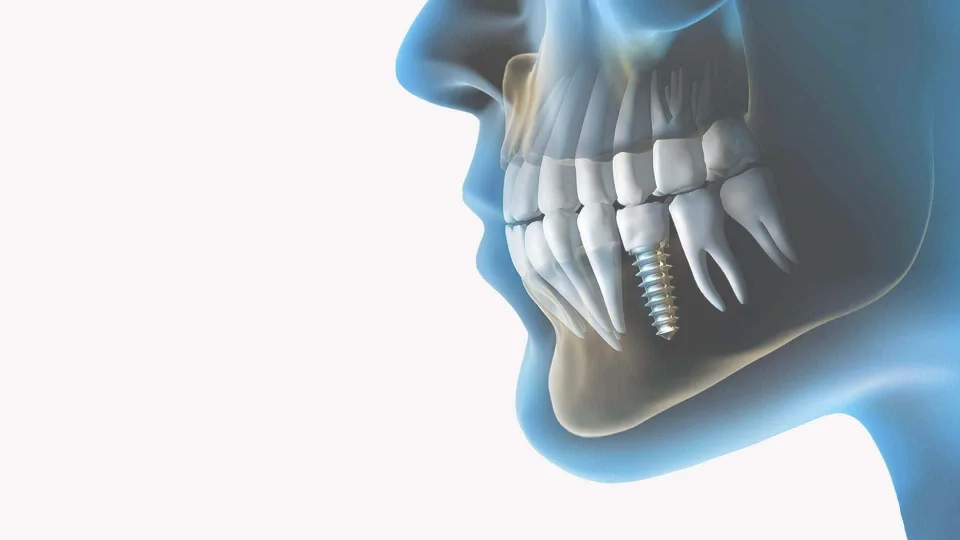
An implant replaces the root of a missing tooth and integrates with the jawbone. Once stable, it becomes a strong base for the final restoration without relying only on neighboring teeth.
Before implant placement, we assess the bone, gums, adjacent teeth, and bite. This helps us choose the right position, size, and direction for a predictable long-term result.
Treatment usually includes surgical implant placement, a healing and integration period, and final restoration with an abutment and prosthetic construction. Timing depends on bone quality, number of implants, and any additional procedures.
Implants may be suitable for a single missing tooth, several missing teeth, or a more stable denture. Beyond appearance, they support chewing, speech, and bone maintenance after tooth loss.
Frequently asked questions
Not always. Some cases require preparation, bone assessment, or another type of restoration first. The first step is an examination and individual treatment plan.
It depends on bone quality, the number of implants, and whether additional procedures are needed. After the examination, we explain the expected stages and timing.
No. Implants restore the smile, but they also help with stable chewing, clearer speech, and maintaining bone in the area of the missing tooth.
Consultation
The best treatment starts with diagnosis and conversation. You will receive a clear explanation of options, limitations, timing, and next steps.