Our approach to children
We work slowly, with clear explanations and without pressure. The child should understand what is happening, while the parent receives practical guidance for care at home.
 DentaFaceDental clinic in BlagoevgradBook an appointment
Early visits set the tone
Pediatric dentistry lays the foundation for long-term oral health. We work with patience, prevention, and gradual trust-building so that a dental visit feels calm rather than frightening.
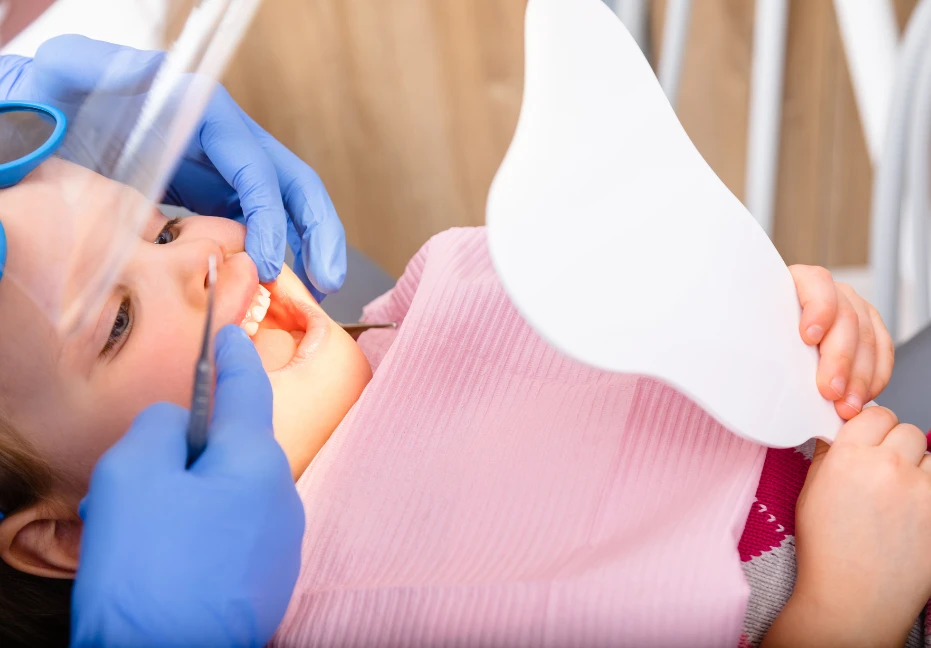
We work slowly, with clear explanations and without pressure. The child should understand what is happening, while the parent receives practical guidance for care at home.
Regular check-ups help detect and prevent cavities, gum problems, and other issues that can become more serious if discovered late.
We monitor the eruption of baby and permanent teeth, their alignment, and bite development. This helps identify factors that may lead to orthodontic problems.
When a child becomes familiar with the clinic before pain appears, visits are easier. Early adaptation reduces fear and builds a healthier attitude toward oral care.
Frequently asked questions
It is best for the child to become familiar with the clinic before pain appears. Early visits can be calm and preventive.
We do not rush. Sometimes the first visit is only a short introduction, examination, and conversation. Trust is built gradually.
Baby teeth preserve space for permanent teeth, support eating and speech, and affect the child’s comfort. Untreated decay can lead to pain and infection.
With regular brushing, suitable toothpaste and toothbrush, fewer frequent sweet foods and drinks, and calm preparation before dental visits.
Consultation
The best treatment starts with diagnosis and conversation. You will receive a clear explanation of options, limitations, timing, and next steps.